
Resultado de búsqueda

You don't have to wait for a big problem to talk about your feelings. You can say how you feel any time. It's a good thing to practice.

As we grow up, we become more skilled in understanding emotions. Instead of just reacting like little kids do, we can identify what we feel and put it into words. With time and practice, we get better at knowing what we are feeling and why. This skill is called emotional awareness.

Life can bring situations that leave you stressed for a few days, weeks, or months. Even if you're not always thinking about this stress, it can be like a background soundtrack playing in your life. Finding ways to cope, including talk with a friend or trusted adult, can help protect you from the negative effects of stress.

Corporate wellness trends are more than just buzzwords, they're key drivers of employee satisfaction, productivity, and retention in 2025. With workplace wellness programs evolving rapidly, companies are tapping into wellness opportunities to attract and retain top talent.
By focusing on workplace wellbeing, businesses enhance employees’ health and enjoy tangible benefits like increased employee productivity and reduced healthcare costs. In this article, we’ll explore 11 workplace wellness trends shaping the future and uncover how they’re redefining the way organizations approach employee wellness benefits.

In the professional environment, emotional intelligence has become a crucial competency. The ability to manage our emotions and control our actions not only improves our effectiveness but also influences our work relations and overall well-being. In this article, we will explore how to manage emotions, the importance of not being emotionally ignorant, and the crucial distinction between managing emotions and controlling actions.

Emotions will be with us all our lives, influencing our daily lives, our decisions and our way of acting, so if we help our children to know them, understand them and know how to express them in a healthy way, we will be helping them achieve a better life, a better future.

Good emotional health starts with being aware of your thoughts, feelings, and behaviors. Learning healthy ways to cope with stress and problems is a normal part of life. Feeling good about yourself and having healthy relationships is important.

Learning to recognize your own emotions is not an easy task, but it is not impossible either. To achieve this, below, we propose some exercises to work on emotional self-awareness.
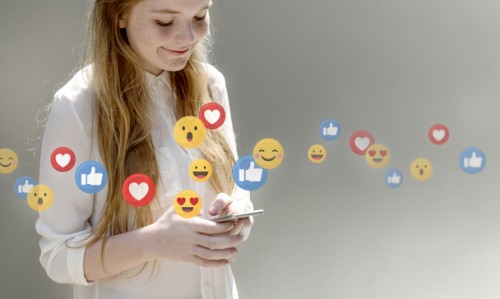
Can you look at someone's face and know what they're feeling? Does everyone experience happiness, sadness and anxiety the same way? What are emotions anyway? For the past 25 years, psychology professor Lisa Feldman Barrett has mapped facial expressions, scanned brains and analyzed hundreds of physiology studies to understand what emotions really are. She shares the results of her exhaustive research -- and explains how we may have more control over our emotions than we think.
 10.25.49.png)
Music’s beneficial effects on mental health have been known for thousands of years. Ancient philosophers from Plato to Confucius and the kings of Israel sang the praises of music and used it to help soothe stress. Military bands use music to build confidence and courage. Sporting events provide music to rouse enthusiasm. Schoolchildren use music to memorize their ABCs. Shopping malls play music to entice consumers and keep them in the store. Dentists play music to help calm nervous patients. Modern research supports conventional wisdom that music benefits mood and confidence.
RECOMMENDED