
Resultado de búsqueda

According to Fred Kofman, learning to manage emotions is a dance of conscious expression, not a struggle of domination or submission. Therefore, the intelligent use of emotional energy requires knowing it, understanding its origins, and respecting it without betraying one's transcendental values and goals. Emotions are good counselors, but terrible owners.
.jpg)
Tim Ferriss encourages us to visualize and write down our fears in detail, in a simple but powerful exercise he calls "defining fears".


Mindfulness has become an excellent ally for the self-regulation of emotions. The central idea is that we are not our thoughts nor our emotions, therefore, we can manage them. For example, a person has a thought, emotion or bodily sensation, and during meditation it can be observed and accepted with openness, focusing on one's own breathing and then letting it go.

The emotional intelligence plays a critical role in the workplace and in the success of an organization, and no less importantly, contributes to the development of challenging, rewarding and learning leadership experiences for the people who make up the organization.

Developing mindfulness is an effective way to cultivate self-awareness. With mindfulness, we can train ourselves to notice our thoughts, feelings, and what is around us. And, with that awareness, we can choose whether or how to respond to what we experience.
Developing mindfulness is an effective way to cultivate self-awareness. With mindfulness, we can train ourselves to notice our thoughts, feelings, and what is around us. And, with that awareness, we can choose whether or how to respond to what we experience.

El entrenamiento de fuerza estimula la función del cerebro y mejora la memoria; se descubrió que tan solo 20 minutos de entrenamiento de fuerza realza la memoria a largo plazo en un 10 por ciento.

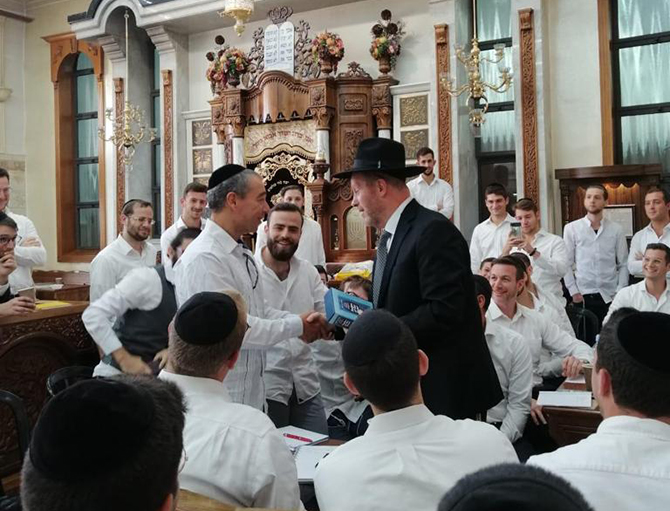
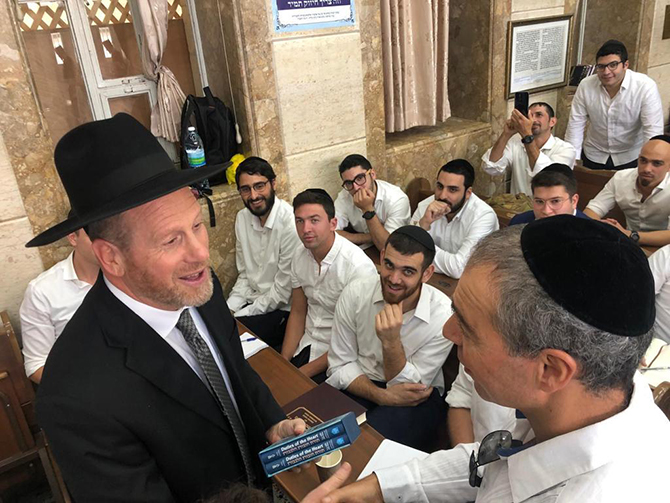
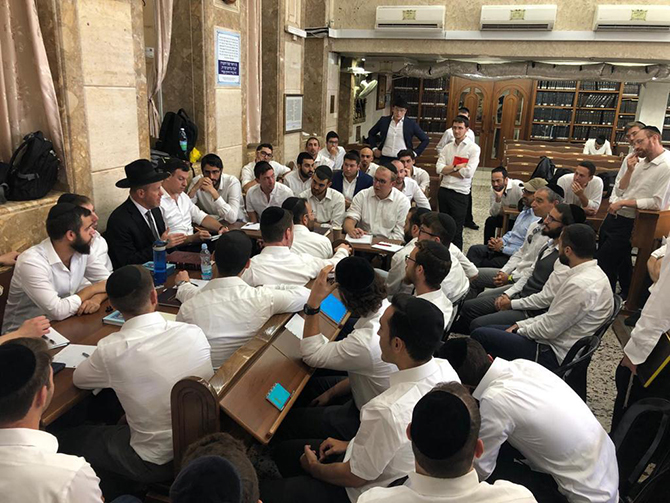
Rabbi Klein is a dynamic speaker, whose pedagogical skills have helped guide countless people who feel they have
RECOMMENDED